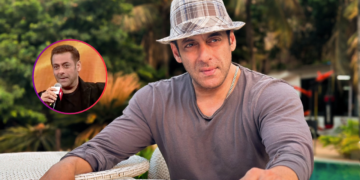

















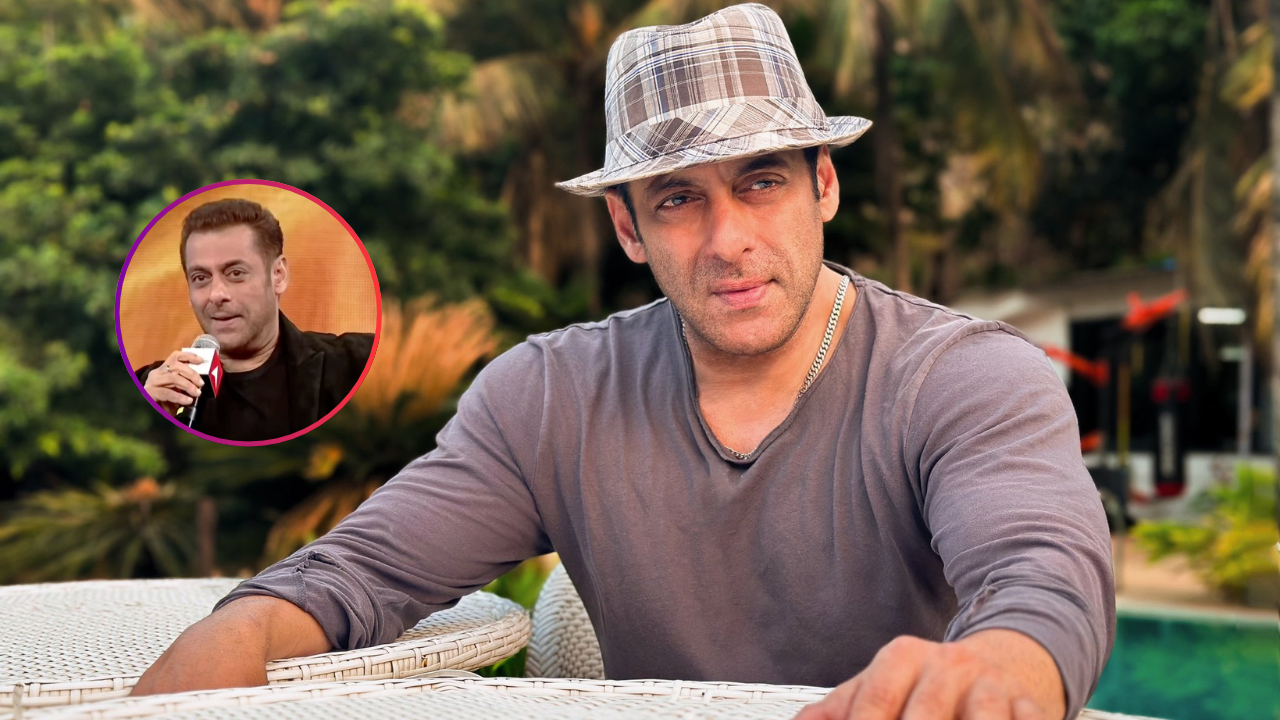
Salman Khan doesn’t need to prove his stardom. But he does need to stop acting as if criticism of him is a favour he is doing to the people criticising him.
For decades, Salman Khan has enjoyed a fan following that most Bollywood stars can only dream of. His mass appeal, superstardom, box office pull and larger-than-life persona have made him one of Hindi cinema’s biggest names. But being a superstar comes with a responsibility to acknowledge when things aren’t working, and lately, Salman seems to be struggling with that.
His recent remarks about critics and trolls surrounding Maatrubhumi have raised eyebrows, particularly the suggestion that people are on social media, gaining followers and earning a livelihood because of him and his criticism. While Salman may have intended it as a sarcastic response to online negativity, the tone comes across as dismissive and unnecessarily arrogant.
And that is precisely the problem. A superstar who has spent years enjoying unconditional love from audiences should be the last person to make it seem as though criticism is somehow beneath him.
Salman Khan’s Biggest Mistake Is Taking His Fans and Audience for Granted
Salman Khan has reached a point in his career where he doesn’t need to chase validation. His legacy is already built on decades of superstardom, blockbuster moments, iconic characters and an enormous fanbase. But that legacy isn’t untouchable, and his recent response to criticism raises a bigger question about how he is dealing with the audience in today’s changing entertainment landscape.
When people question his films, performances, energy or choices, it isn’t necessarily an attack on Salman Khan as a person. A large section of the audience genuinely wants to see him return to his peak. Even the criticism around his recent films often comes with expectations that he can deliver something much better.
Yet, instead of acknowledging that sentiment, his recent remarks appear to brush off critics as people who are benefiting from talking about him.
That’s not the confidence of a superstar. It risks sounding like someone who has stopped listening.
“Bhai Ki Wajah Se Aap Social Media Pe Ho”: A Statement That Didn’t Sit Well
During his interaction with the media, Salman reportedly addressed the criticism surrounding Maatrubhumi and the commentary about his recent films. He spoke about how his team brings him feedback from people who want to see the old Salman Khan back, questioning the energy and choices in his recent outings.
He also responded to critics by suggesting that talking negatively about him helps them gain followers, visibility and even employment.
The sentiment may have been intended as a cheeky dig at online trolls, but the delivery matters. When a superstar says that people are getting followers or earning a livelihood because of his criticism, it can come across as an attempt to belittle the very voices questioning him.
Social media critics, film reviewers and audiences don’t owe a superstar blind admiration. They are entitled to their opinions, particularly when they are spending money on cinema tickets and expecting quality entertainment.
Salman has every right to disagree with criticism. But dismissing it by suggesting critics are thriving because of him isn’t the strongest response, especially when the conversation is about his own career trajectory.
Salman Khan’s Comeback Conversation Is Not an Insult
The interesting part of this entire controversy is that many people aren’t even writing Salman Khan off. Quite the opposite.
The conversation around his comeback has been going on because audiences still believe he can deliver a big film. They want the charisma, the energy, the larger-than-life screen presence and the mass entertainment that once made Salman Khan a box office force.
But wanting a comeback also means acknowledging that something hasn’t been working consistently.
A superstar’s career cannot survive forever on nostalgia, fan loyalty or the memories of past blockbusters. Cinema evolves. Audience expectations evolve. The way films are made, marketed, consumed and discussed has changed dramatically.
If people are asking Salman to reinvent himself, it isn’t necessarily because they have turned against him. It could be because they still expect more from him.
And that distinction matters.
Maatrubhumi Is Being Criticised, But Salman Needs to Address the Film, Not the Critics
Salman Khan’s upcoming film Maatrubhumi: May War Rest in Peace, directed by Apoorva Lakhia, is inspired by the 2020 Galwan Valley clash and is scheduled to release on December 4.
The film’s promotional assets have faced criticism, including discussions around the trailer’s length, visuals, AI and VFX. Salman has defended the film, questioning why viewers are focusing on technical aspects instead of the soldiers and their families, while also arguing that soldiers have personal and romantic lives beyond warfare.
His defence of the film is understandable. A film should be judged in its entirety, and a trailer doesn’t always represent the finished product accurately.
However, asking audiences to wait until release doesn’t automatically make their early criticism invalid. Trailers, posters and promotional videos exist precisely to give audiences an impression of the film. If people have concerns about what they see, they are entitled to express them.
The best way to silence criticism isn’t to question the people making it. It’s to deliver a film that genuinely surprises them.
Salman Khan’s Legacy Is Bigger Than His Ego
Salman Khan has earned his place in Bollywood history. Few actors have enjoyed his level of mass popularity, and very few have created the kind of fan culture he has built over the years.
But legacy isn’t just about what a superstar achieved 10, 20 or 30 years ago. It is also about how he responds when the audience starts asking for something different.
There is a fine line between confidence and arrogance. Salman has always had a strong personality, and that unpredictability has been part of his appeal. But when every criticism is treated as an opportunity to take a swipe at the critic rather than reflect on the underlying concern, it risks alienating people who still want to see him succeed.
Salman Khan doesn’t need to remind people of his stardom. His films, his career and his legacy have already done that. What he needs is to listen, evolve and let his next film do the talking.
Also read: KING – A Marketing BLUNDER
Because the biggest threat to a superstar’s legacy isn’t criticism. It is the inability to recognise that the audience which made him a superstar has every right to question him.