





















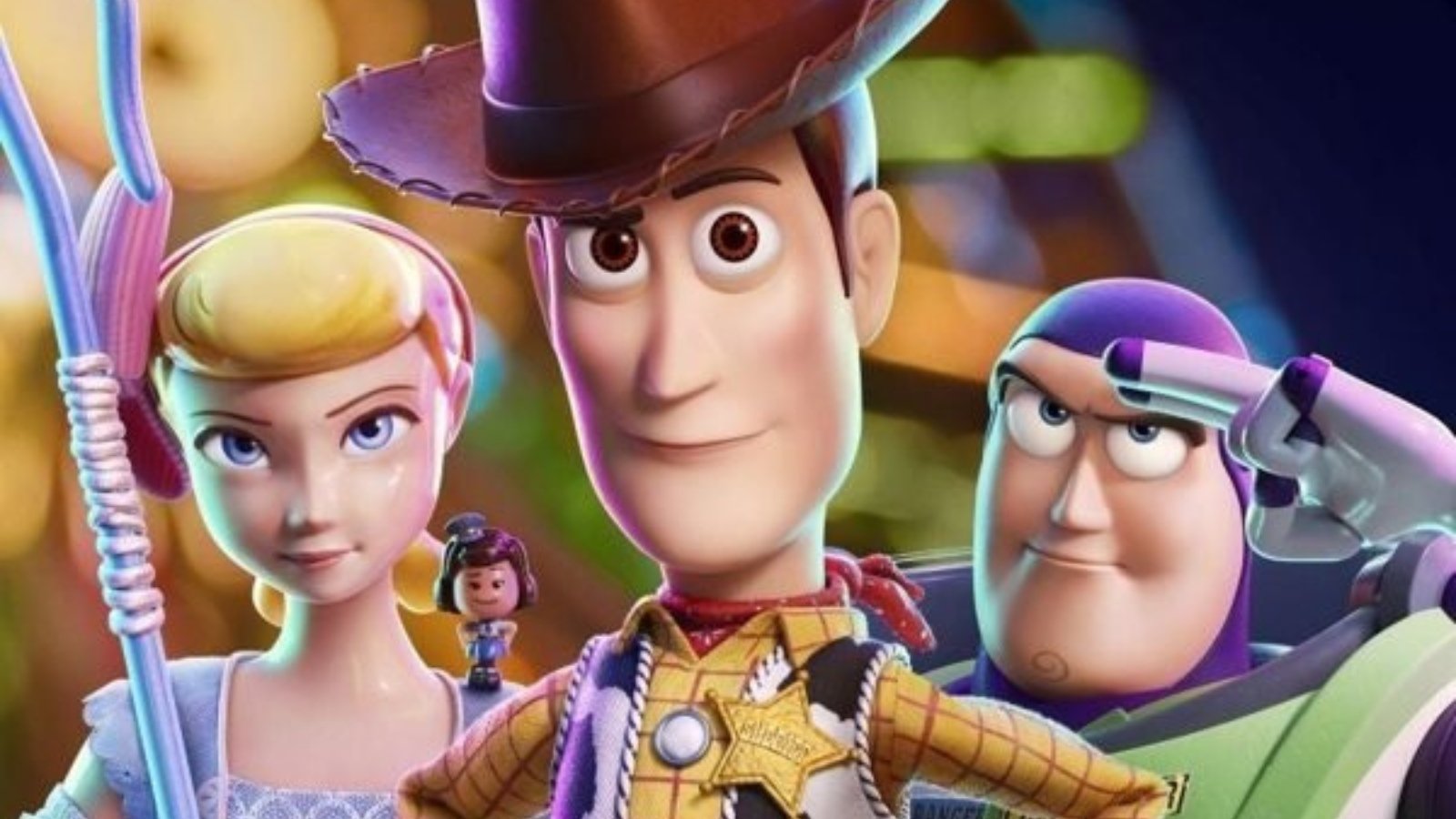
Nearly three decades after Toy Story changed animation forever, Pixar finds itself in a familiar position: facing questions about whether this beloved franchise still has something meaningful left to say. Surprisingly, Toy Story 5 answers that question with confidence.
Rather than relying purely on nostalgia, the film takes the series into territory that feels remarkably relevant for today’s generation of children and parents. At its core, the story examines the growing role technology plays in childhood, asking whether digital devices are helping kids connect with the world or slowly replacing the imagination and relationships that once defined growing up.
What makes Toy Story 5 stand out is its refusal to paint technology as the villain. Instead, it explores the complicated space between screen time and real-world experiences, showing how both can coexist while reminding audiences why genuine human connection still matters most.
Jessie Finally Gets the Spotlight
For the first time, Jessie steps into the spotlight as the franchise’s emotional center. While Woody and Buzz remain important parts of the story, this chapter truly belongs to the fan-favorite cowgirl.
Joan Cusack delivers one of her strongest performances in the series, bringing warmth, vulnerability, and energy to a character who has often been pushed to the sidelines despite having one of the richest backstories in the franchise.
The story follows Jessie as she navigates Bonnie’s increasingly tech-driven world, where children are becoming more attached to devices than toys. When a new piece of technology enters Bonnie’s life, Jessie finds herself confronting an uncomfortable reality: toys are no longer competing with other toys for attention. They’re competing with screens.
By shifting the focus to Jessie, Pixar injects fresh life into the franchise while staying true to its emotional roots.
A Story That Feels Surprisingly Relevant
The film’s central conflict feels refreshingly mature without losing the charm that has always defined Toy Story. Writers Andrew Stanton and Kenna Harris tackle themes of childhood development, social dependency, friendship, and growing up in the digital age.
The movie asks difficult questions about how technology shapes young minds, but it avoids easy answers. Instead of taking an extreme stance, it acknowledges the benefits of modern technology while emphasizing the importance of creativity, face-to-face interaction, and meaningful relationships.
While some of its messages are direct, the story never loses sight of entertainment. The emotional themes naturally grow out of the characters and their experiences, making the film feel thoughtful rather than preachy.
The Cast Delivers Across the Board
Tom Hanks and Tim Allen slip effortlessly back into the roles of Woody and Buzz, bringing the same chemistry that helped make them animation icons.
Buzz, in particular, benefits from several entertaining storylines that reveal new sides of the character. Although this isn’t their movie, both characters remain vital pieces of the puzzle.
One of the film’s biggest surprises is Conan O’Brien’s Smarty Pants. His impeccable comedic timing injects some of the funniest moments into the story, often stealing scenes whenever he appears.
Greta Lee also impresses as Lilypad, a character who could have easily become a one-dimensional antagonist. Instead, she brings nuance and depth to a role that helps reinforce the film’s larger message about technology and human connection.
Pixar’s Humor and Heart Are Back
One of the most encouraging aspects of Toy Story 5 is how comfortably it balances laughter and emotion.
The screenplay revives the clever humor that made the original films enjoyable for adults while still delivering plenty of fun for younger audiences. The jokes land consistently, but the emotional moments hit even harder.
Whether it’s Jessie’s fears about becoming irrelevant or Bonnie’s struggle to connect with others, the film finds relatable emotions in unexpected places.
That balance between comedy and heart has always been a Pixar strength, and Toy Story 5 reminds viewers just how effective it can be when done right.
Visually Stunning and Beautifully Directed
Andrew Stanton’s return to the franchise proves invaluable. The Pixar veteran understands exactly what makes Toy Story special and crafts a film that feels both modern and familiar.
The animation is gorgeous throughout, filled with vibrant colors, detailed environments, and imaginative sequences that capture the wonder of childhood.
Randy Newman’s score once again elevates the storytelling, adding warmth and emotion to the film’s biggest moments. The music feels like a reunion with an old friend, instantly transporting audiences back into this beloved world.
Final Verdict
Toy Story 5 succeeds because it understands what these films have always been about. Beneath the adventure, comedy, and talking toys lies a simple truth: relationships shape who we become.
By giving Jessie the spotlight and exploring the challenges of growing up in a technology-driven world, Pixar delivers a sequel that feels relevant without sacrificing the charm that made audiences fall in love with these characters in the first place.
Also read: Best Animated Movies
It may not surpass the emotional heights of the original trilogy, but it comes remarkably close. Funny, moving, visually stunning, and surprisingly thoughtful, Toy Story 5 proves that this franchise still has meaningful stories left to tell and stands as one of Pixar’s strongest films in years.
The Review
Toy Story 5
Toy Story 5 is a heartfelt, funny, and surprisingly timely sequel that puts Jessie front and center while exploring the impact of technology on childhood. Pixar delivers another emotionally rich adventure that proves the franchise still has plenty of magic left.
PROS
- Jessie finally gets the spotlight and delivers the franchise's strongest emotional arc in years.
- Thoughtful take on technology vs imagination without feeling preachy or one-sided.
- Sharp humor and heartfelt storytelling capture the classic Pixar magic.
CONS
- Multiple storylines make the first half feel slightly crowded and uneven.
- Some supporting characters don't get enough development due to the larger ensemble.
- Doesn't quite reach the emotional highs of Toy Story 3 or the original trilogy.