
















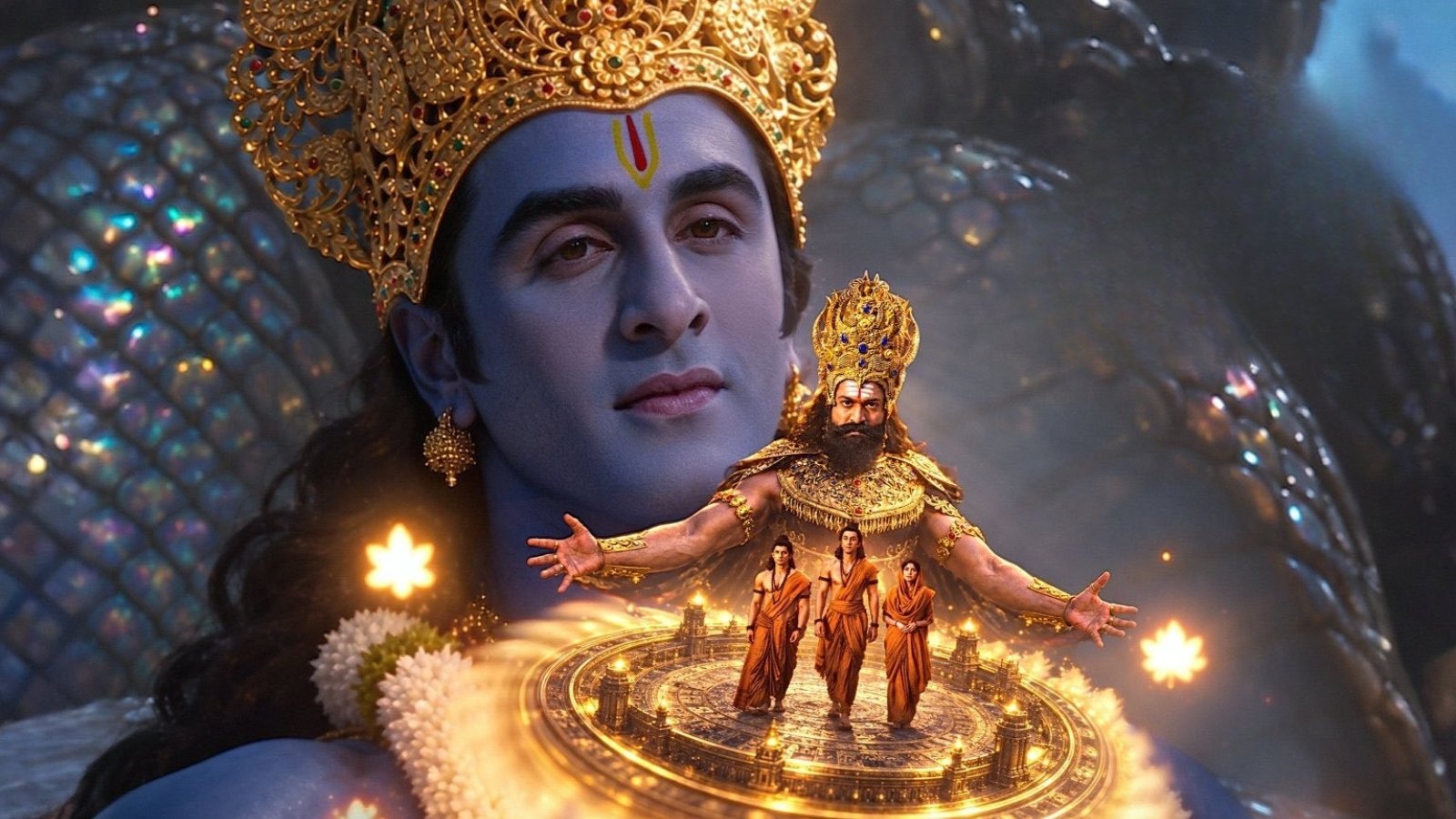
When a film becomes this big, the battle is no longer limited to the box office. The online narrative becomes a battleground of its own. And Namit Malhotra’s ambitious Ramayana is now facing questions about whether all the negativity surrounding it is purely organic.
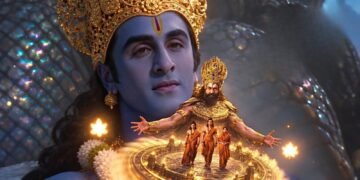
Directed by Nitesh Tiwari, the epic stars Ranbir Kapoor as Lord Rama and Yash as Ravana, with DNEG handling the visual effects. Expectations are massive, and so is the scrutiny. Ever since the early promotional material and teaser surfaced, the film has faced intense online criticism, particularly over its VFX, character designs and promotional strategy.
But there is another side to this debate that deserves attention.
Ramayana Paid Negative Campaign: What Is Behind the Allegations?
According to allegations circulating among people tracking the film’s online reception, some of the criticism may go beyond genuine audience feedback. Supporters of Ramayana have pointed fingers at rival PR machinery and certain influencers, alleging that they are amplifying negative reactions and turning every visual-effects debate into another controversy.
There is also growing chatter about so-called trade pundits who, according to these allegations, may be unhappy about not being approached for paid promotional campaigns. The claim is that some are posting negative opinions, while others are choosing to remain silent, potentially hoping the makers will approach them for a commercial arrangement.
These are serious allegations and they should not be treated as established facts without verifiable evidence. However, the debate raises a familiar question about the business of film publicity: where does genuine criticism end, and where does an attempt to influence a film’s public perception begin?
Genuine VFX Criticism or a Coordinated Campaign?
Let’s be clear. Audiences have every right to criticise a film’s teaser, VFX, casting choices or marketing strategy. A big-budget production does not get a free pass simply because it is based on the Ramayana, one of India’s most revered epics.
At the same time, repeatedly amplifying the same talking points, presenting early promotional material as a final verdict or pushing unverified claims can shape public opinion long before a film reaches theatres.
This is where the distinction matters. Criticism backed by specific observations is part of the conversation. Allegations of a coordinated campaign, however, need evidence rather than assumptions about who is posting, who is staying silent or who has been paid.
Why Ramayana Has Become a Target of Such Intense Scrutiny
Ramayana is a massive project and the stakes are huge. Ranbir Kapoor will be playing Rama, Yash will be essaying Ravana and Nitesh Tiwari will be directing. DNEG is on board and the film is expected to be on a massive scale. With such high stakes, there is a huge amount of interest from the public and how the epic will look on screen.
That attention cuts both ways. Every frame is examined, every casting decision is debated, and every promotional update can trigger a fresh round of discussion. For a film of this scale, online perception can become almost as important as the marketing campaign itself.
There is also a familiar pattern in Bollywood. Whenever a major production approaches release, rival camps often accuse one another of paid trolling, planted narratives and smear tactics. Each side may claim to be the victim of organised hostility, but accusations alone do not establish who is behind it.
The Makers Have a Bigger Battle to Win
Ultimately, the makers of Ramayana will have to let the film speak for itself. Strong storytelling, convincing performances and world-class visual effects will matter far more than social media noise once audiences see the finished product.
Unless the movie is great, online criticism will inevitably reach some of the movie-goers. No amount of PR will be able to hide the shortcomings of a bad movie for long.
Also read: Ramayana Premiere at Academy Museum
It remains to be seen whether or not there is in fact a paid campaign to negatively promote Ramayana. The real question is whether the online criticism reflects genuine audience concerns, organised attempts to influence perception, or a mixture of both.
One thing is certain: with a project this ambitious, the conversation around Ramayana is unlikely to quieten down anytime soon.