























Warning: Major spoilers ahead for Toy Story 5. If you haven’t watched the film yet, now’s the time to turn back.
Pixar’s Toy Story 5 has quickly become one of the biggest box office successes of the year, bringing audiences back to a world they’ve loved for decades. For many fans, the experience feels especially meaningful. The kids who grew up with Woody and Buzz are now taking their own children to see the latest chapter of the franchise.
While Toy Story 3 once felt like the perfect ending, Pixar has continued to find new stories to tell. This time, the focus isn’t on a daring escape or a life-threatening adventure. Instead, Toy Story 5 takes a more personal route, exploring friendship, growing up, and the role technology plays in children’s lives today.
What Happens in Toy Story 5?
The story centers on Bonnie, who is now growing older and navigating the challenges of making friends. Unlike previous films, there isn’t a traditional villain lurking in the background. No Sid, no Lotso, and no Stinky Pete.
Instead, the conflict comes from a modern source.
A smart device called Lilypad, voiced by Greta Lee, enters Bonnie’s life and quickly becomes her favorite companion. Through the device, Bonnie connects with girls from her dance class, but the online interactions soon begin affecting her confidence and relationships in the real world.
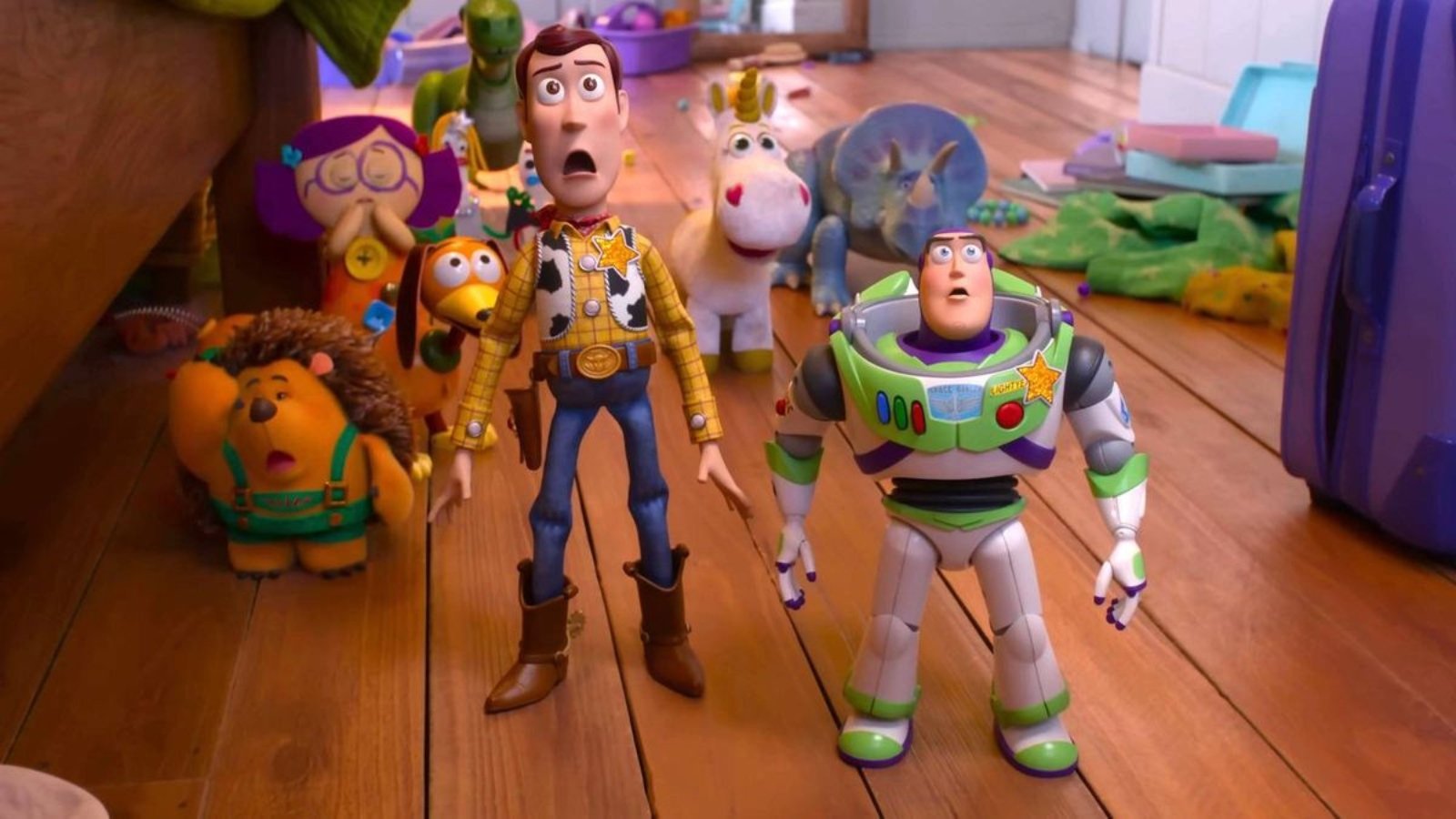
At the same time, Woody returns after spending years helping lost toys find new homes. His reunion with Jessie, Buzz, and the rest of the gang is short-lived as they realize Bonnie is becoming increasingly dependent on her screen and drifting away from the things that once made her happiest.
The Toys’ Mission to Help Bonnie
Concerned about Bonnie’s growing isolation, the toys decide to step in.
Jessie finds herself revisiting parts of her past, forcing her to confront memories she thought she’d left behind. Meanwhile, Woody and Buzz put aside their differences to focus on what matters most: helping Bonnie reconnect with the world around her.
As the story unfolds, another mystery develops in the background. A group of advanced Buzz Lightyear units is making its way toward Bonnie’s town, creating additional tension as the toys scramble to solve their problems.
How Does Toy Story 5 End?
Everything comes together in the film’s emotional final act.
Jessie and Bullseye arrive at a house that once belonged to her former owner, Emily. The property now belongs to Blaze’s family. There, Jessie meets a collection of discarded tech-based toys led by the hilarious Smarty Pants, voiced by Conan O’Brien.
Through these encounters, Jessie realizes something important: it doesn’t matter whether a toy is old-fashioned or powered by cutting-edge technology. Every toy eventually experiences the same fear of being forgotten.
At the same time, Woody and Buzz come to understand Lilypad’s side of the story. Rather than being a villain, Lilypad was simply trying to fulfill its purpose. When the device realizes Bonnie is being hurt by toxic group chats and judgmental classmates, it becomes overwhelmed with guilt and decides to leave.
That’s when the mysterious Buzz Lightyear drones finally play a major role. Using their technology, the toys track down Lilypad and work together to create one final plan.
Their efforts ultimately bring Bonnie and Blaze together, helping the two girls form a genuine friendship away from screens and social pressure.
The movie closes on a heartfelt note as Bonnie finds the connection she had been searching for all along.
What Does the Ending Really Mean?
Beneath its family-friendly adventure, Toy Story 5 carries a surprisingly mature message.
The film isn’t really about toys competing against technology. Instead, it’s about balance.
The toys represent the people and experiences that help children grow through real-world interaction, imagination, and emotional connection. Lilypad represents modern technology, which can be useful but isn’t meant to replace genuine relationships.
The story also works as a metaphor for parenting. Much like parents, the toys spend the entire film trying to guide Bonnie, protect her from mistakes, and help her find happiness. Eventually, they learn that growing up means allowing children to make their own choices and build their own relationships.
What makes the ending effective is that it doesn’t paint technology as the enemy. Lilypad isn’t evil, and the film never suggests that screens are inherently harmful. Instead, Toy Story 5 argues that technology works best when it supports human connection rather than replacing it.
By the time the credits roll, the message is clear: friendships, imagination, and real-life experiences still matter, even in a digital world.
Also read: Cocktail 2 OTT Release Date
And that’s what gives Toy Story 5 its emotional punch. Rather than clinging to nostalgia, the film finds a thoughtful middle ground between the past and the future, proving there’s still plenty of life left in Pixar’s most beloved franchise.