



















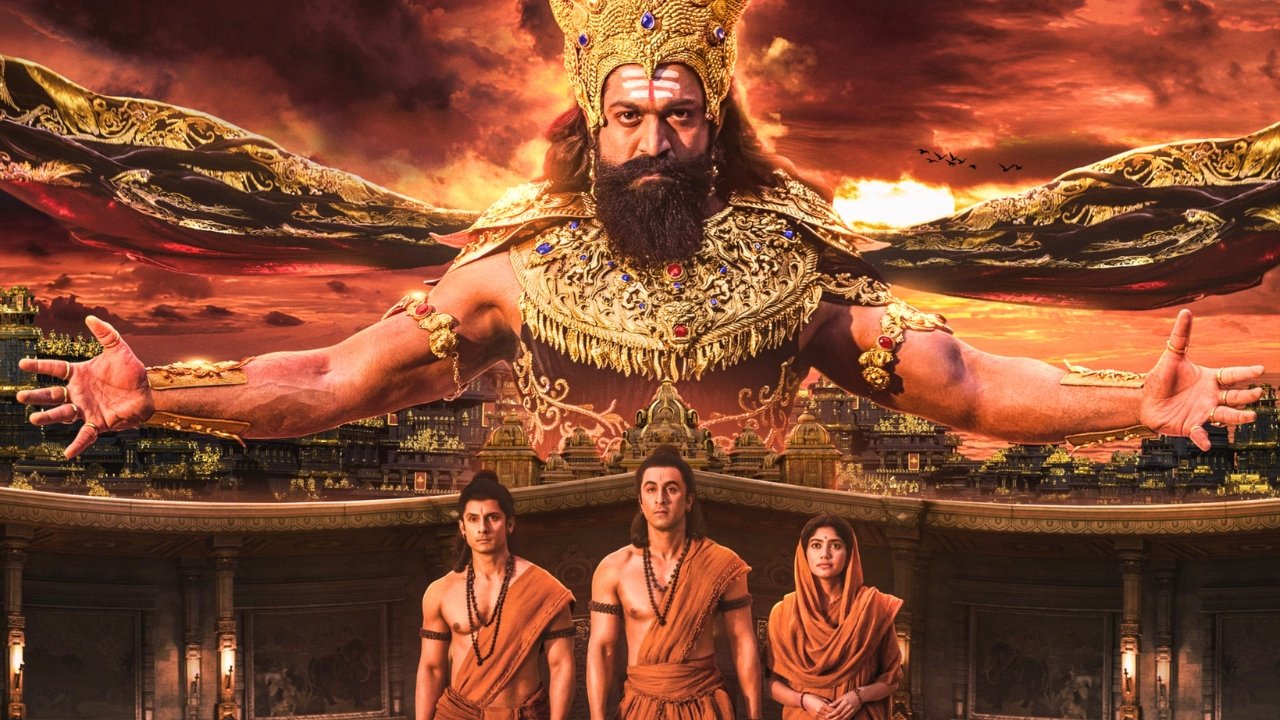
Indian cinema has seen several ambitious attempts to bring mythology to the big screen, but few stories carry the scale, emotion and cultural significance of the Ramayana. Turning this timeless epic into a cinematic experience is a mammoth responsibility, and Nitesh Tiwari and Namit Malhotra have gone all out to give it the grand treatment it deserves.
Forget the usual comparisons with Hollywood. Ramayana Part One arrives with the ambition to create something truly monumental for Indian cinema, bringing together breathtaking scale, spectacular visuals, powerful performances and an emotional core that gives the story its soul. Led by Ranbir Kapoor as Lord Ram, Sai Pallavi as Sita and Yash as Ravana, the film has several moments that make you sit up, moments that send goosebumps down your spine, and others that genuinely move you to tears.
But what makes this epic stand out is that it doesn’t rely on grandeur alone. It understands the weight of the characters, the power of their relationships and the emotions behind this timeless story. The result is a cinematic experience that demands the biggest screen possible and reminds you why some stories deserve to be told on an extraordinary scale.
Ramayana Review: A Story Rooted in Emotion, Devotion and Grandeur
Adapting the Ramayana for the big screen is no easy task. It is a story deeply connected with millions of people and expectations are naturally enormous. Nitesh Tiwari understands the responsibility and approaches the material with sincerity. The film balances the familiar mythology with cinematic storytelling, giving audiences a grand visual world without losing sight of the emotions that make this epic timeless.
The narrative takes us through Ravana’s rise, Lord Rama’s journey, the events surrounding Sita Swayamvar and the circumstances that eventually lead to the exile. What makes the storytelling work is that the film doesn’t treat these events as mere milestones. Relationships, sacrifices, devotion and the conflict between good and evil give the narrative its emotional foundation. There is enough drama and conflict to keep the three-hour experience engaging.
First Half: A Powerful Build-Up With an Emotional Interval
The film gets off to an engaging start with Ravana’s introduction, his childhood and his encounter with Brahma. Yash’s screen presence makes these early portions particularly interesting, while the world-building establishes the scale and atmosphere of the epic. The cinematography adds tremendous depth to these sequences, making the opening portions visually absorbing.
The first half also has several memorable moments, including the forest confrontation involving Lord Rama, Sita Swayamvar and the emotional developments surrounding King Dashrath, Kaikeyi and Rama’s exile. The pre-interval stretch is easily among the film’s strongest portions. The relationship between a father and his son is handled with genuine feeling, and the sequence surrounding Rama’s departure for Vanvaas has the potential to leave audiences emotional. The interval arrives with a powerful emotional high, not just a routine dramatic pause.
Second Half: Goosebumps, Action and an Emotionally Charged Climax
The second half raises the intensity considerably. One of its biggest highlights is the tornado sequence involving Lord Rama. The combination of action choreography, visual effects and background score makes this a genuine big-screen moment. It has the kind of impact that gets audiences talking outside the theatre, and Ranbir carries the sequence with conviction.
The film also builds towards an emotionally charged pre-climax involving Ravana and Jatayu. Their confrontation aboard the Pushpaka Vimana is among the most memorable portions, with Jatayu’s sacrifice giving the story a heartbreaking emotional turn. The dialogue, “Main apni Sita ko wapas laaunga,” adds another memorable touch as the film moves towards its conclusion. The ending leaves audiences wanting more, and the post-credit appearance of Sunny Deol as Hanuman Ji provides an exciting glimpse of what’s coming in Part Two.
Action, Dialogues, Music and Technical Brilliance
The action is one of Ramayana Part One’s biggest strengths. From the forest confrontations to the larger battles, the film makes excellent use of its scale. The sequences involving Ravana, Vidyutjeev and Jatayu bring different shades of conflict, while the tornado sequence featuring Rama stands out for its staging and cinematic impact. Some action portions could have been trimmed, as they occasionally stretch longer than necessary, but they rarely take away from the overall experience.
The background score by A.R. Rahman and Hans Zimmer deserves special appreciation. It adds weight to the emotional moments, builds tension during the action and gives several key scenes an almost spiritual intensity. The songs, however, are a slightly mixed bag. While they are woven into the narrative, they don’t always leave the kind of lasting impression one would expect from a film of this magnitude. On the technical front, DNEG’s visual effects, cinematography and production design deserve serious credit. The world feels carefully constructed, and the scale is genuinely impressive.
Performances: Ranbir Kapoor Is Lord Rama, Yash Owns Ravana
Ranbir Kapoor as Lord Rama: Ranbir delivers a performance built on restraint, grace and sincerity. He doesn’t try to make Rama unnecessarily loud or theatrical. Instead, his expressions, composed demeanour and quiet strength bring dignity to the character. The emotional portions, particularly the scenes involving Dashrath and Kaikeyi before the exile, showcase his ability to connect without overdoing the drama. He makes the role his own and gives the film its emotional centre.
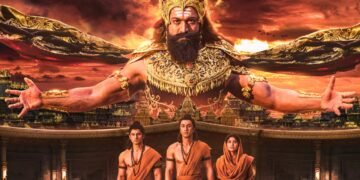
Yash as Ravana: Yash brings a commanding presence to the screen. His introduction, the early portions exploring Ravana’s journey and his confrontations are among the film’s major highlights. He combines intensity with an imposing screen presence, giving the antagonist the stature this character demands. There are moments when he completely takes over the frame. This is a performance that adds considerable weight to the film.
Sai Pallavi as Sita: Sai Pallavi brings grace, warmth and dignity to the character. Her natural performance adds tenderness to the emotional portions, and she makes a strong impression despite having relatively less scope in this first instalment. Her character’s journey has more room to unfold in Part Two, which should give her an opportunity to explore further dimensions.
Ravie Dubey as Lakshman: Ravie Dubey is sincere and convincing, bringing the right mix of loyalty, emotion and strength to his character. He fits naturally into the film’s ensemble and makes his presence felt.
Rakul Preet Singh as Shurpanakha: Rakul makes a solid impression in a supporting role. She brings the required intensity to the character and adds to one of the film’s important narrative developments.
Sunny Deol as Hanuman: Without revealing too much, Sunny Deol’s presence in the post-credit scene is something audiences should watch out for. His appearance sets up an exciting possibility for the next instalment and is likely to generate plenty of whistles.
The Supporting Cast: Arun Govil is perfectly cast and brings a certain familiarity to his role. Shobhana and Lara Dutta make strong contributions, while Vivek Oberoi, Sheeba Chadha and Ajinkya Deo are effective in their respective parts. The ensemble adds depth to the world and helps the film feel much bigger than just its central characters.
Direction, Music, VFX and Production Design
Nitesh Tiwari deserves credit for handling a project with such enormous expectations and emotional significance. The film’s greatest strength is the balance between spectacle and storytelling. He knows when to let the visuals take over and when to slow things down for an emotional moment. The screenplay keeps the narrative moving, while the editing largely maintains engagement across its lengthy runtime.
Namit Malhotra’s ambition and conviction are visible throughout the film. Backing a project of this scale requires enormous belief, and the decision to bring together an international technical team has clearly helped shape its visual identity. DNEG’s work deserves particular appreciation, with the visual effects and production design creating a world that feels worthy of a theatrical epic. Rahman and Zimmer’s combined musical contribution further elevates the experience, especially when the story moves into its most emotional and dramatic stretches.
What Works and What Doesn’t
What Works:
- Ranbir Kapoor’s sincere and restrained portrayal of Lord Rama.
- Yash’s commanding screen presence as Ravana.
- Nitesh Tiwari’s handling of the emotional core of the epic.
- The pre-interval sequence involving Dashrath, Kaikeyi and Rama.
- The tornado sequence and the Ravana-Jatayu confrontation.
- Hans Zimmer and A.R. Rahman’s powerful background score.
- DNEG’s visual effects, cinematography and production design.
- Sunny Deol’s post-credit appearance as Hanuman.
What Doesn’t:
- Some action sequences feel longer than necessary.
- The songs could have been more memorable.
- Sai Pallavi gets comparatively limited scope in this instalment.
- The lengthy runtime may test the patience of viewers who prefer faster storytelling.
Ramayana Review: Final Verdict
Ramayana Part One is a film that aims big and delivers on several important fronts. It has the emotional foundation, the performances, the visual scale and the cinematic moments required to make a mythological epic work on the big screen. Ranbir Kapoor brings dignity to Lord Rama, Yash makes Ravana a commanding presence, and Nitesh Tiwari successfully brings together devotion, drama and spectacle.
Yes, there are a few shortcomings. The songs could have been stronger, and some action portions would have benefited from tighter editing. But these issues don’t overshadow what the film achieves overall.
This is not just another big-budget release. It is a cinematic celebration of an epic that belongs to generations of Indians.
With a powerful emotional core, several whistle-worthy moments and a post-credit surprise that sets up the next chapter, Ramayana Part One leaves you wanting more. Part Two now carries enormous expectations.
Also read: Ramayana 3
Final Verdict: A grand, emotional and visually spectacular beginning to an epic saga. Watch it in cinemas, preferably on the biggest screen available. Paisa Vasool!
The Review
Ramayana Part One
Ramayana Part One is a breathtaking cinematic spectacle powered by stellar performances, emotional storytelling and spectacular visuals. Nitesh Tiwari delivers a grand, goosebumps-filled beginning to an epic saga that deserves the biggest screen.
PROS
- Breathtaking visuals and grand production design.
- Powerful performances, especially Ranbir Kapoor and Yash.
- Emotionally engaging storytelling with several goosebumps moments.
CONS
- Songs could have been more memorable.
- A few action sequences feel stretched.
- Some portions could have benefited from tighter editing.